
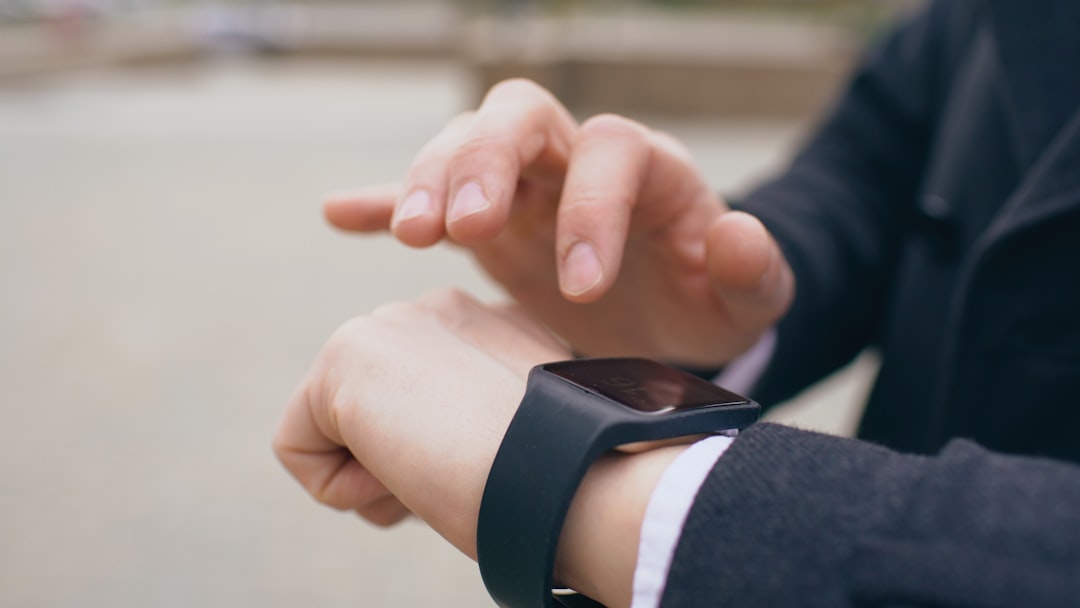
In the ever-evolving world of fitness, wearable technology has emerged as a game-changer, promising to enhance our workouts and track our progress like never before. However, with the rapid advancement of tech gear, several misconceptions have taken root. Let’s dive into the realm of wearable technology and debunk some common myths while exploring how these devices can truly elevate your fitness journey.
Myth: Wearable technology is only for serious athletes.
Truth: While it’s true that professional athletes utilize advanced wearables to monitor their performance, these devices are designed for everyone, from casual gym-goers to fitness enthusiasts. Wearable technology, such as fitness trackers and smartwatches, offers features that cater to various fitness levels. Whether you’re walking your dog, attending a yoga class, or training for a marathon, there’s a wearable that can help you stay motivated and informed.
One of the most popular wearable devices is the fitness tracker. These compact gadgets can monitor your heart rate, track your steps, and even analyze your sleep patterns. For instance, devices like the Fitbit Charge or the Garmin Vivosmart provide insights that can help you understand your body better and make informed decisions about your health. They encourage you to set achievable goals and celebrate your progress, making fitness more accessible and enjoyable.
Myth: Wearable technology is too complicated to use.
Truth: Many people shy away from wearable technology due to the belief that it requires a degree in computer science to operate. In reality, most devices are designed with user-friendliness in mind. The interfaces are intuitive, and many come with companion apps that guide you through setup and usage.
For example, the Apple Watch is renowned for its seamless integration with iPhones, allowing users to easily track workouts, receive notifications, and even respond to messages without fumbling with their phones. The setup process is straightforward, and tutorials are readily available online. With just a few taps, you can customize your watch face, track your workouts, and monitor your health metrics.
Another common misconception is that wearable technology is only useful for tracking physical activity. While tracking workouts is a significant feature, wearables also offer a wealth of information about overall health. Many devices now include features like stress monitoring, menstrual cycle tracking, and even blood oxygen level measurement. This holistic approach to health can empower users to take charge of their well-being in ways they may not have considered before.
Moreover, the social aspect of wearable technology should not be overlooked. Many fitness trackers allow you to connect with friends, join challenges, and share your achievements. This community aspect can provide the motivation you need to stay committed to your fitness goals. Whether it’s competing in step challenges or sharing workout tips, the social features can transform your fitness journey into a shared experience.
As we explore the best wearable technology available today, it’s essential to consider what features align with your fitness goals. For those focused on running, devices like the Garmin Forerunner or the Polar Vantage offer advanced metrics such as pace, distance, and even recovery time. If you’re more interested in general fitness and health tracking, options like the Xiaomi Mi Band or the WHOOP Strap provide excellent value without overwhelming you with features.
In conclusion, wearable technology is not just a trend; it’s a powerful tool that can enhance your fitness journey, regardless of your current level. By debunking myths and understanding the true capabilities of these devices, you can make informed decisions that align with your health goals. Embrace the technology, stay curious, and let it guide you toward a healthier, more active lifestyle. Whether you’re just starting or looking to optimize your performance, the right wearable can make all the difference.